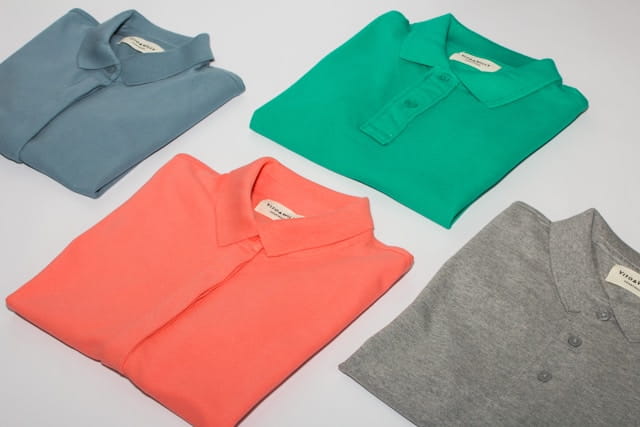
When you glide your hand on a polo shirt, the texture tells you each and everything. Some feel soft and breathable, while others are a little coarse yet arranged. This difference comes down to one crucial factor - the fabric.
Selecting the best fabric for polo shirts is not only about comfort. It also influences durability, breathability, moisture control, and how the shirt appears after repeated wear. Whether you are seeking polos for casual use, office wear, or sports, knowing the correct polo shirt fabric can make all the difference.
In this guide, we’ll break down the types of polo shirt fabrics, compare their features and benefits, and assist you in selecting the best material as per your requirements.
Why Fabric Matters in Polo Shirts
The fabric used in polo shirts establishes how they perform through the entire day. A good polo shirt material must be:
· Breathable for hot weather
· Moisture-wicking to handle sweat
· Durable for regular use
· Comfortable on the skin
· Easy to maintain
That’s why analyzing the best material for polo shirts is important before buying.
Types of Polo Shirt Fabrics
Let’s discover the most popular polo shirt fabric types and what makes each one specific.
1. Cotton Polo Shirts – Soft and Breathable
Cotton is one of the most common choices when it comes to polo shirt material. Renowned for their softness and natural comfort, cotton polo shirts are perfect for everyday wear.
These shirts are extensively breathable, making them best for summer and hot weather. Cotton also soaks up moisture well, keeping you cool for a long duration.
Best for: Casual wear, office use, sensitive skin
Key features: Soft, breathable, lightweight
Drawback: Can wrinkle easily
If comfort is your first priority, cotton is often regarded as the best fabric for polo shirts for daily use.
2. Polyester Polo Shirts – Performance and Durability
Polyester is a performance fabric mostly used in sportswear. It is lightweight, durable, and soaks rapidly, making it perfect for active lifestyle individuals.
Unlike cotton, polyester is moisture-wicking, meaning it completely pulls sweat away from your body rather than absorbing it. This lets you dry during workouts or long periods of time.
Best for: Sports, gym, team uniforms
Key features: Durable, wrinkle-resistant, quick-drying
Drawback: Less breathable than cotton
For athletes or active users, polyester is a powerful contender for the best fabric for polo shirts.
3. Poly-Cotton Blend - Balanced Comfort and Strength
A poly-cotton blend aligns the best qualities of both fabrics. Typically designed with around 65% cotton and 35% polyester, this fabric gives a balance of comfort and flexiblity.
These polos are denser than pure polyester and more durable as compared with pure cotton. They also resist shrinking and wrinkles, making them easy to maintain.
Best for: Work uniforms, daily wear
Key features: Breathable, durable, easy care
Drawback: Slightly less soft than 100% cotton
If you need a practical option, this blend is one of the most flexible choices in the polo fabric comparison.
4. Piqué Cotton – Classic and Structured
Piqué fabric is not a different material but a unique knitting style, usually designed from cotton. It is characterized by a textured surface with heightened patterns, giving it a classy and elegant polo look.
This fabric is breathable and keeps its shape well, making it perfect for semi-formal settings and branded uniforms.
Best for: Office wear, embroidered polos
Key features: Textured, structured, durable
Drawback: Slightly heavier and slower to dry
Piqué is often chosen for custom branding because it performs best with embroidery and logos effectively.
5. Jersey Fabric – Soft and Stretchable
Jersey is a smooth, lightweight fabric familiar for its stretchability and flexibility. It feels soft against the skin and is often utilized in casual and cost-effective polos.
While it gives great comfort, it lacks framework compared to piqué fabric.
Best for: Casual wear, travel
Key features: Soft, lightweight, flexible
Drawback: Less structured appearance
If you want something relaxed and flexible, jersey is the best polo shirt material for everyday use.
How to Choose the Best Fabric for Polo Shirts
Selecting the best fabric for polo shirts relies on how you plan to wear them. Here’s a quick guide:
For Hot Weather
Go for breathable polo shirt fabric such as cotton or jersey. These fabrics keep you cool and flexible.
For Sports and Gym
Select moisture-wicking polo shirts designed from polyester or performance blends. They treat sweat and dry quickly.
For Work Uniforms
Piqué cotton or poly-cotton blends are perfect. They are durable, arranged, and easy to sustain.
For Casual Wear
Cotton polo shirts give unmatched comfort and a classic appearance.
Cotton vs Polyester Polo Shirts
One of the most popular comparisons is cotton vs. polyester polo shirts. Here’s a quick breakdown:
· Cotton: Soft, breathable, natural feel
· Polyester: Durable, moisture-wicking, performance-focused
If comfort is first priority, go with cotton. If performance and durability are your preferences, polyester is the convenient option.
Key Features to Look For
When choosing the best material for polo shirts, be mindful of these features:
· Breathability for entire-day comfort
· Moisture control for active use
· Durability to wear for long period of time
· Wrinkle resistance for easy handling
· Stretchability for comfort
These elements will assist you in selecting a polo that suits your lifestyle.
Final Thoughts
There is no single answer to the best fabric for polo shirts - it all relies on your requirements. Cotton gives comfort, polyester delivers performance, and blends offer a balance of both.
If you want a soft and breathable option, you must perceive cotton. For sports and activewear, polyester is the better choice. And if you are searching for something versatile for daily use, a poly-cotton blend works best.
By analyzing different polo shirt fabric types and their advantages, you can confidently choose a polo that not only looks good but also works best in your daily routine.

 Track Your Order
 support@besteese.com
 737-231-1208
 Stack Your Discounts! 20% Off + Exclusive Member Bonus!



Comments (0)
No comments yet. Be the first to comment!
Leave A Comment